




Diabetes occurs when too much sugar builds up in the blood. This occurs when the body either makes too little insulin or cannot use it effectively. Insulin helps move sugar from the blood into the body's cells for energy. A hospital in Siliguri or any other place can help mitigate the symptoms related to Diabetes.
The early signs of diabetes may appear slowly, especially in people with type 2 diabetes. Some people may not notice any changes in the beginning.
Common signs include frequent urination, increased thirst, feeling hungry more often, tiredness, and blurred vision. These symptoms can also occur due to other health conditions, so they do not always mean a person has diabetes.
Paying attention to these changes can help you know when to speak with a doctor. A blood sugar test can help check your glucose levels and identify whether further medical advice is needed.
What Are the Early Signs of Diabetes?
The early signs of diabetes may develop slowly. Some common changes to watch for include:
Frequent Urination
High blood sugar makes the kidneys remove extra glucose through urine. This can lead to:
- Visiting the bathroom more often.
- Waking up at night to urinate.
- Passing more urine than usual.
Unusual Hunger
You may feel hungry soon after eating because your body cannot use glucose properly.
- Increased appetite.
- Hunger even after meals.
Unexplained Weight Loss
Your body may break down stored fat and muscle for energy, leading to weight loss without trying.
- Sudden weight loss.
- Clothes becoming loose.
Feeling Tired Often
High blood sugar can affect your energy levels, leaving you tired during the day.
- Weakness.
- Low energy.
- Difficulty concentrating.
Blurred Vision
High blood sugar can affect the fluid balance in your eyes and make it harder to focus.
- Blurry eyesight.
- Trouble reading clearly.
- Changes in vision.
Slow-Healing Cuts and Wounds
Cuts and other minor injuries may take longer to heal when blood sugar levels remain high. For example:
- Small cuts that take longer to close.
- Blisters that do not heal easily.
- Foot wounds that remain open.
Frequent Infections
High blood sugar can make it harder for the body to fight certain infections. These may include:
- Skin infections.
- Urinary tract infections.
- Fungal infections.
- Itching around the genital area.
Tingling or Numbness in Hands and Feet
Long-term high blood sugar can damage nerves, leading to unusual sensations such as:
- Pins and needles in the fingers or toes.
- Burning feelings in the feet.
- Numbness in the hands or legs.
- Reduced feeling in the feet.
Dry or Itchy Skin
Loss of body fluids due to frequent urination can leave your skin dry and itchy.
You may notice:
- Dry or rough skin.
- Itching on your hands or legs.
- Cracked skin.
- Repeated skin irritation.
These signs do not always mean you have diabetes, as other conditions can cause similar changes. If they persist, speak with a doctor and ask about a blood sugar test.
What Increases the Risk of Diabetes?
Certain health conditions, family history, and daily habits can increase the risk of type 2 diabetes.
Some common risk factors include:
- Family history: Having a parent or sibling with type 2 diabetes.
- Overweight or obesity: Extra body weight can affect how the body uses insulin.
- Low physical activity: Spending long hours sitting or avoiding regular exercise.
- Gestational diabetes: Having diabetes during pregnancy.
- PCOS: Women with polycystic ovary syndrome may have a higher risk.
- High blood pressure or cholesterol: These conditions are linked to a higher risk of type 2 diabetes.
- Prediabetes: Having blood sugar levels above the normal range.
- Increasing age: The risk increases with age, but younger people can also develop diabetes.
Having one or more of these risk factors does not mean you will develop diabetes. Speak with a doctor about suitable screening and blood sugar tests.
When Should You Get Tested for Diabetes?
Consider a blood sugar test if you notice frequent urination, increased thirst, unusual hunger, unexplained weight loss, or constant tiredness.
Testing may also be needed if you have:
- A family history of diabetes.
- Overweight or obesity.
- High blood pressure or abnormal cholesterol.
- A history of gestational diabetes.
- PCOS or prediabetes.
- Limited physical activity.
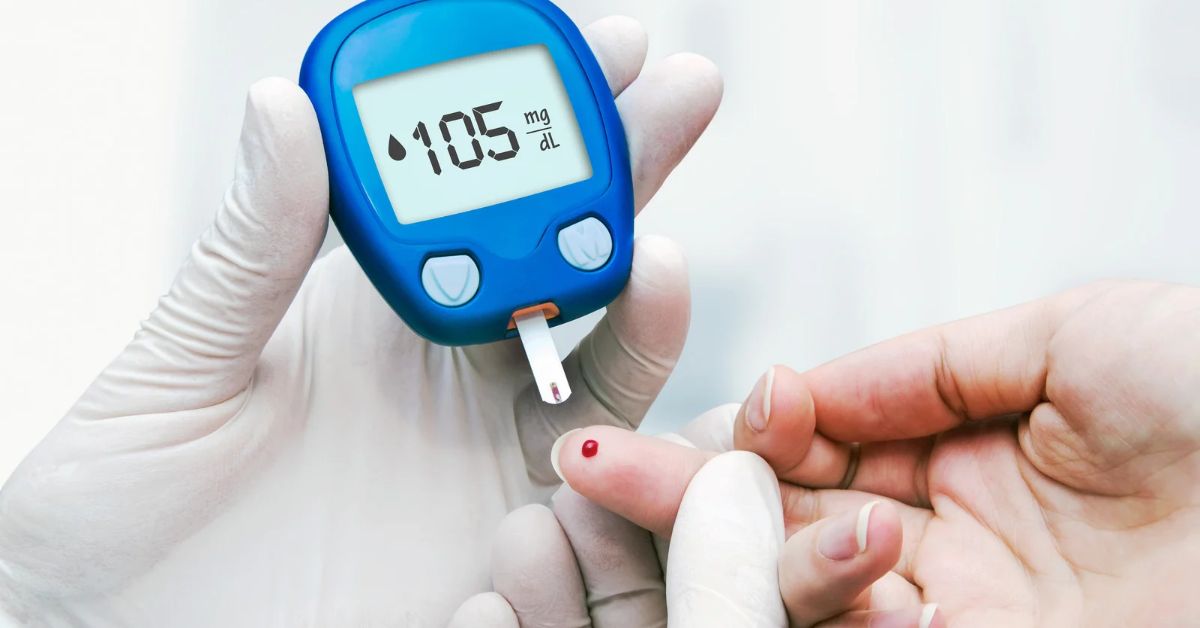
A doctor may recommend a fasting blood sugar test, HbA1c test, or another glucose test to assess your health.
Which Tests Can Help Diagnose Diabetes?
Doctors use blood tests to check blood sugar levels and diagnose diabetes. Depending on your symptoms and medical history, you may need one or more of these tests.
- Fasting Blood Sugar Test: Measures blood sugar after at least 8 hours without food or drinks other than water.
- HbA1c Test: Shows your average blood sugar levels over the past 2–3 months.
- Random Blood Sugar Test: Checks blood sugar at any time of the day, without fasting.
- Oral Glucose Tolerance Test (OGTT): Measures how your body handles sugar after you drink a glucose solution.
Your doctor will review the test results and may suggest another test to confirm the diagnosis. Do not rely on symptoms alone to identify diabetes. A medical assessment is important.
What Happens If Early Signs of Diabetes Are Ignored?
If blood sugar levels remain high for a long time without care, they can affect different parts of the body. Ignoring the signs may increase the risk of health problems, such as:
- Heart Problems: High blood sugar can damage blood vessels and raise the risk of heart disease.
- Kidney Damage: Long-term high blood sugar can affect how the kidneys work.
- Eye Problems: High blood sugar can damage the blood vessels in the eyes and affect vision.
- Nerve Damage: You may experience numbness, tingling, or pain in your hands and feet.
- Foot Problems: Poor blood flow and nerve damage can make foot injuries harder to notice and heal.
- Slow Wound Healing: Cuts and sores may take longer to heal.
Getting tested early and following medical advice can help manage blood sugar levels and lower the risk of these complications.
What Are the Different Types of Diabetes?
Diabetes is not the same for everyone. It has different types, depending on how the body produces or uses insulin. It is mainly classified into three types
1. Type 1 Diabetes
Type 1 diabetes occurs when the body stops producing enough insulin.
- Requires daily insulin treatment.
- Symptoms may appear over a short period.
- The exact cause is not fully understood.
2. Type 2 Diabetes
Type 2 diabetes affects how the body controls blood sugar.
- Common in adults, but it also affects young people.
- May develop gradually over several years.
3. Gestational Diabetes
Gestational diabetes develops during pregnancy when the body cannot produce enough insulin to meet its increased needs.
- Usually develops during the middle or later stages of pregnancy.
- Often does not cause noticeable symptoms.
- Requires blood sugar monitoring and medical care.
Blood sugar levels often return to normal after delivery, but the mother has a higher risk of developing type 2 diabetes later.
When Do Diabetes Symptoms Require Immediate Medical Attention?
Some symptoms may indicate a serious diabetes-related problem and need urgent medical care.
Watch for these warning signs:
- Repeated Vomiting: Vomiting several times.
- Stomach Pain: Ongoing stomach pain or discomfort.
- Deep or Rapid Breathing: Breathing faster or deeper than usual.
- Fruity-Smelling Breath: Breath with an unusual sweet smell.
- Severe Weakness: Extreme tiredness or difficulty moving.
- Confusion: Difficulty thinking clearly or staying alert.
- Loss of Consciousness: Fainting or becoming unresponsive.
These signs may indicate diabetic ketoacidosis (DKA), a serious condition that needs emergency treatment. Seek medical care immediately if they occur.
At the end
Early diagnosis helps guide treatment. Frequent urination, increased thirst, unusual hunger, constant tiredness, and blurred vision are some changes worth paying attention to.
Symptoms can vary from person to person. Some people with type 2 diabetes may not notice any clear signs in the early stages.
If you notice ongoing changes, speak with a doctor and get the recommended blood sugar tests. Do not try to diagnose diabetes through symptoms alone.
Early diagnosis and regular blood sugar management can help reduce the risk of long-term health problems.
Taking timely medical advice can help you understand your condition and the care you may need.
Frequently Asked Questions
What Can Help Bring High Blood Sugar Levels Down?
Drink water, avoid sugary drinks, and follow your prescribed diabetes treatment. If your blood sugar is very high, contact your doctor for advice. Do not take extra medicine without medical guidance.
How to manage diabetes?
You can manage diabetes by:
- Eating balanced meals.
- Staying physically active.
- Taking prescribed medicines on time.
- Checking blood sugar as advised.
- Attending regular medical check-ups.
Can young adults develop diabetes?
Yes, diabetes can develop at any age. Young adults can develop both types, with family history and weight affecting the risk.
What is usually the first sign of diabetes?
Frequent urination and increased thirst are common early signs. Some people may also experience unusual hunger, tiredness, or unexplained weight loss. Some people may not notice any clear symptoms.