



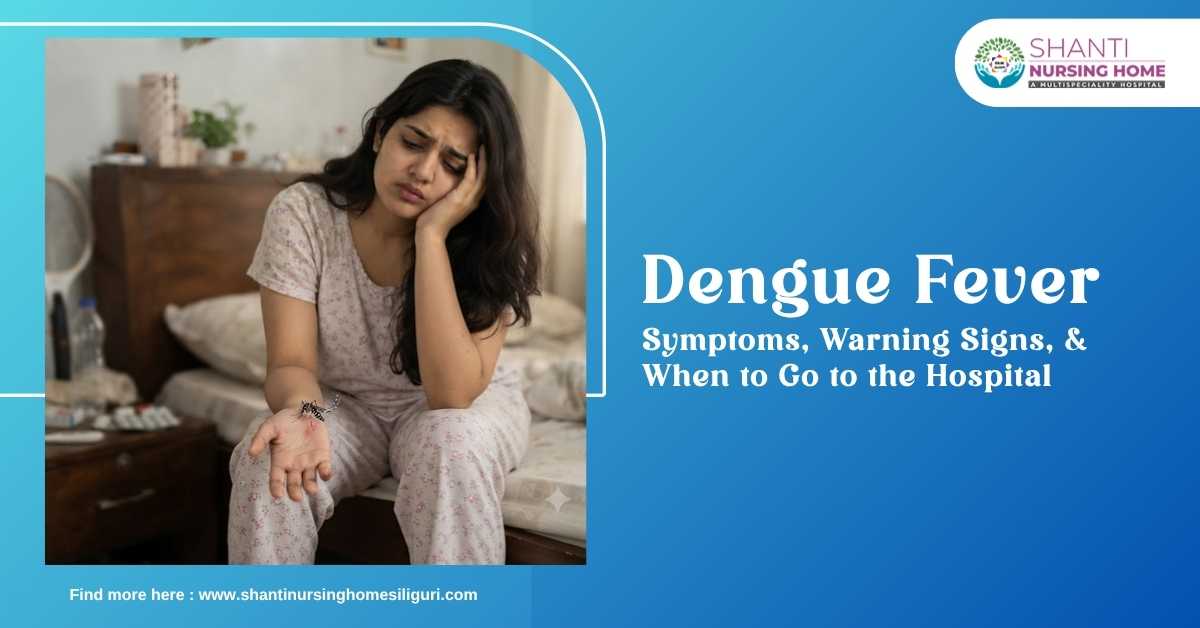

Dengue occurs when a person gets infected with a virus carried by certain mosquitoes. It can affect people of any age, especially in places where these mosquitoes are common.
Most people recover from dengue without serious complications, but some may develop severe symptoms that need medical attention. In here a hospital in Siliguri like Shanti Nursing Home becomes important.
People with dengue may experience fever, intense body aches, nausea, and other signs that vary from person to person.
One thing to remember is that dengue can get worse after the fever starts to come down. Recognising warning signs helps you seek medical care at the right time.
How Does Dengue Spread?
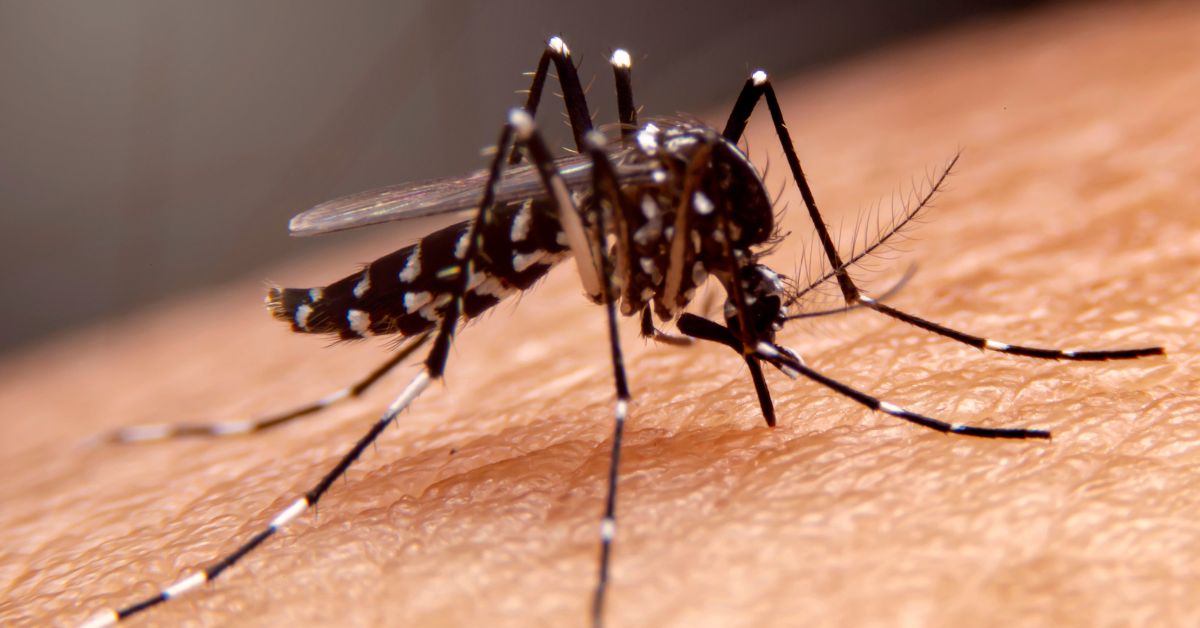
Dengue passes to humans through infected mosquito bites. After biting an infected person, a mosquito can pass the virus to others through its bites.
- Aedes mosquitoes spread dengue.
- They often bite during the daytime.
- They can also bite at other times.
- They breed in standing water.
- Flower pots can collect water.
- Buckets and containers can become breeding places.
- Old tires can collect rainwater.
- Keep water tanks covered.
- Dengue does not usually spread through touching.
- Dengue does not spread through shared food or drinks.
- Coughing and sneezing do not normally spread dengue.
- Preventing mosquito bites helps limit transmission.
What Symptoms Can Dengue Cause?
Dengue symptoms usually develop a few days after infection and can range from mild to severe.
Common symptoms include:
- High fever
- Severe headache
- Pain behind the eyes
- Muscle and joint pain
- Nausea or vomiting
- Skin rash
- Tiredness or weakness
- Minor bleeding from the nose or gums
- Swollen glands in some cases
Fever can last several days. If symptoms get worse, particularly when the fever starts to fall, contact a doctor.
What Are the Warning Signs of Dengue?
Warning signs can appear as the fever goes away, so feeling better does not always mean the risky period has passed.
Warning Signs That Need Immediate Medical Attention
- Severe abdominal pain
- Stomach tenderness
- Repeated vomiting
- Nose or gum bleeding
- Vomiting blood
- Blood in the stool
- Extreme tiredness
- Restlessness or irritability
- Rapid breathing
- Pale or cold skin
- Excessive thirst
- Severe weakness
- Unusual sleepiness
- Changes in alertness or behaviour
These signs may point to severe dengue. Seek medical attention quickly if any of them appear.
When Does Dengue Require Hospital Care?
Home care is often enough for dengue, provided symptoms are monitored closely. Hospital care may be needed when warning signs appear, particularly after the fever begins to improve.
Go to the hospital if there is:
- Severe abdominal pain
- Repeated or persistent vomiting
- Nose or gum bleeding
- Vomiting blood
- Blood in the stool
- Fast or difficult breathing
- Extreme weakness
- Unusual sleepiness
- Restlessness or confusion
- Pale or cold skin
- Severe dehydration
- Very little or no urine
- Inability to drink enough fluids
- Sudden worsening after the fever goes down
- Changes in alertness or behaviour
Hospital care may also be needed when:
- Warning signs are getting worse
- The person cannot keep fluids down
- Severe dengue is suspected
- Close monitoring is needed
- Other health conditions require extra care
The 24–48 hours after the fever subsides are especially important. Continue watching for changes even if the person seems better.
Who May Need Closer Medical Monitoring?
People at higher risk of complications may need more frequent check-ups.
- Infants and young children
- Older adults
- Pregnant women
- People with diabetes
- People with kidney or liver problems
- People with heart conditions
- People with blood disorders
- Those unable to drink enough fluids
- People with persistent vomiting
- Anyone with warning signs of severe dengue
- People who have had dengue before
Depending on the person's condition, a doctor may monitor hydration, blood pressure, urine output, symptoms, and blood tests.
How Is Dengue Diagnosed?
Doctors confirm dengue by assessing your symptoms, examining you, and checking blood test results.
- NS1 test: Helps detect dengue early.
- PCR test: Detects dengue virus.
- Antibody test: May detect dengue later.
- CBC test: Checks platelets and other blood changes.
- The test used may depend on how long symptoms have been present.
Low platelets alone do not confirm dengue.
What Is the Treatment for Dengue?
There is no specific medicine that cures dengue. Dengue treatment is mainly about managing symptoms, keeping the person hydrated, and watching for warning signs.
For mild dengue, care may include:
- Plenty of fluids
- Adequate rest
- Paracetamol for fever or pain, if advised
- Light meals if the person can eat
- Monitoring fever and other symptoms
- Follow-up tests when recommended
Medicines to Avoid
Some medicines can increase the chance of bleeding during dengue.
- Aspirin
- Ibuprofen
- Other NSAID painkillers
- Avoid antibiotics unless prescribed.
- Do not take other medicines without medical advice.
- Seek urgent medical care if warning signs appear.
Can Dengue Be Managed at Home?
Yes, mild dengue can usually be cared for at home if there are no warning signs and the person can drink enough fluids.
- Drink fluids regularly.
- Get plenty of rest.
- Take paracetamol if advised.
- Eat small, light meals.
- Keep track of fever and new symptoms.
- Watch for bleeding or increasing weakness.
- Check urine output for signs of dehydration.
- Follow the doctor's advice about tests and follow-ups.
- Avoid aspirin and ibuprofen unless prescribed.
Contact your doctor if you experience stomach pain, repeated vomiting, bleeding, breathing problems, severe weakness, or changes in alertness.
What Happens If Dengue Requires Hospitalization?
Hospital care may be needed when warning signs appear, or the illness becomes severe.
Doctors may:
- Check blood pressure and heart rate
- Monitor breathing
- Check urine output
- Repeat blood tests
- Monitor platelet and blood cell levels
- Watch for bleeding
- Give IV fluids when needed
- Treat fever, vomiting, and other symptoms
- Check for shock or organ problems
The patient may need close monitoring so doctors can respond quickly to any changes in their condition.
What Are the Phases of Dengue?
Dengue usually has three phases.
1. Febrile Phase
- High fever
- Headache
- Body and joint pain
- Pain behind the eyes
- Nausea or vomiting
- Rash
- Tiredness
2. Critical Phase
- Starts around the time the fever drops
- Warning signs may appear
- Severe stomach pain
- Repeated vomiting
- Bleeding
- Fluid leakage in severe cases
- Low blood pressure or shock
3. Recovery Phase
- Appetite improves
- Fluid balance returns
- Urine output improves
- Energy returns gradually
- Weakness may last for some time
How Long Does Dengue Take to Recover?
Recovery time varies, and low energy may persist even after other symptoms settle.
- Fever: Usually 2–7 days
- Critical phase: About 24–48 hours
- Recovery: Strength and appetite improve gradually
- Fatigue: Can last for days or weeks
- Severe dengue: May take longer to recover from
Watch for warning signs even after the fever subsides.
How Can You Stop Dengue from Spreading at Home?
Dengue prevention mainly involves avoiding mosquito bites and removing standing water.
How to Prevent Dengue
- Use mosquito repellent.
- Wear long sleeves.
- Use mosquito nets.
- Keep doors and windows screened.
- Cover water containers.
- Empty standing water regularly.
- Clean coolers and water containers.
- Remove old tyres, cans, and bottles.
- Keep the area around your home clean.
How to Prevent Spread at Home
If someone at home has dengue:
- Protect them from mosquito bites.
- Use a mosquito net while they rest.
- Apply mosquito repellent.
- Keep doors and windows screened.
- Remove standing water nearby.
- Keep water containers covered.
Dengue usually does not spread through physical contact, shared meals, or coughing. The risk comes from a mosquito biting an infected person and then biting someone else.
Frequently Asked Questions
How Quickly Can Dengue Be Detected?
Dengue symptoms usually start 4–10 days after infection. Doctors may use lab tests to check for dengue.
What are the worst days of dengue?
Warning signs may develop within 24–48 hours after the fever subsides.
How do I confirm I have dengue?
If fever develops alongside other symptoms, seek medical advice. Lab results can help identify the virus.
Which Organs Does Dengue Affect Most?
People with dengue may experience high fever, fatigue, and widespread aches that make daily activities difficult.
What is the first-day symptom of dengue?
Fever is often an early sign of dengue, followed by headaches, body aches, nausea, and weakness.
What foods should I avoid when I have dengue fever?
Avoid alcohol and heavy foods. Drink plenty of fluids and eat light meals that are easy to digest.
Can dengue happen without fever?
Yes. Some people may have mild symptoms or no symptoms, so you can have dengue without a fever.
Can a person survive dengue without treatment?
Mild dengue often improves with rest, fluids, and monitoring. If symptoms worsen, you may need medical care.
Conclusion
Dengue symptoms can become more serious as the illness progresses, so pay attention to any unusual changes in your condition.
Seek urgent medical care for severe abdominal pain, repeated vomiting, bleeding, extreme weakness, or difficulty breathing, even if the fever has gone down.
If symptoms worsen or the person's condition changes, contact a doctor promptly. Shanti Nursing Home can provide medical evaluation and care for people with dengue symptoms.