


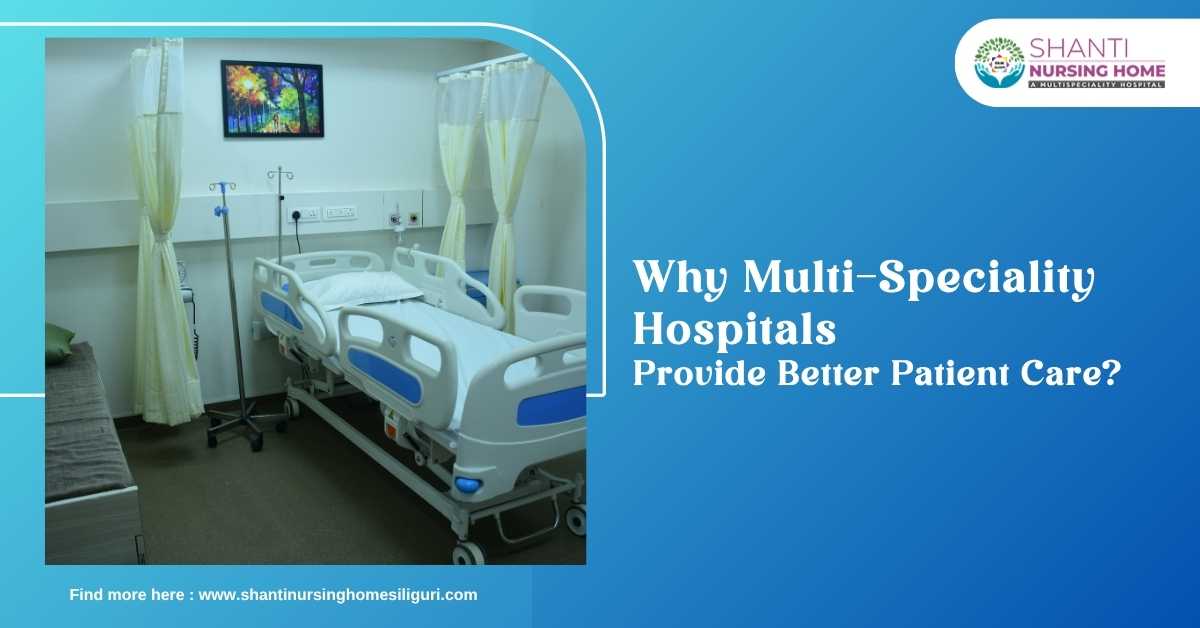

Some health conditions need more than one type of medical expertise. A patient may require consultation, diagnostic tests, specialist advice, treatment, and follow-up care.
Multi-speciality hospitals provide care from different specialists and offer diagnostic tests and emergency services under one roof. Having these services in one place can make treatment easier to manage for patients.
The key benefits of multi-speciality hospitals include easier access to specialists, diagnostic tests, treatment, emergency services, and follow-up care in one place. These services can be especially useful for patients with complex conditions or multiple health concerns.
Difference Between Single-Speciality and Multi-Speciality Hospitals
|
Single-Speciality Hospital |
Multi-Speciality Hospital |
|
Mainly treats conditions related to one medical field. |
Treats conditions across several medical fields. |
|
Doctors usually belong to the same speciality. |
Doctors from different specialities work in the same hospital. |
|
A good option when you need treatment for a specific condition. |
Useful when you need care from more than one type of specialist. |
|
Services are centred around one area, such as heart care or orthopaedics. |
Services may include cardiology, neurology, orthopaedics, general medicine, surgery and other departments. |
|
You may need to visit another hospital if a different medical issue needs attention. |
Different medical services are available at the same hospital. |
|
Treatment is usually limited to the hospital’s main speciality. |
Treatment can involve more than one department when required. |
|
Suitable for planned treatment within a specific speciality. |
Can be helpful for patients with complex conditions or multiple health concerns. |
Top 10 Benefits of Choosing Multi-Speciality Hospitals
1. Access to Different Specialists
Benefit
- Doctors from different medical specialities are available in one hospital.
- Patients can consult the specialist related to their health problem.
- Another specialist can be involved if the condition needs additional care.
- It is useful for patients who have more than one health concern.
Experienced & Qualified Doctors
- Experienced doctors from different specialities may be available at the same hospital.
- Patients can choose a specialist based on their health needs.
Why it matters
- Patients may not need to visit different hospitals for related problems.
- It also makes specialist consultations easier to manage.
- Doctors can refer patients to another department when required.
Example: A person with diabetes and kidney problems may need both a physician and a nephrologist. Having both departments in the same hospital can make consultations more convenient.
2. Better Coordination Between Doctors
Benefit
- Specialists from different departments can discuss a patient's condition.
- They can review medical reports, medicines, and previous treatment.
- Doctors can coordinate before surgery or other major procedures.
- Existing health conditions can be considered while planning treatment.
Digital Medical Records & Easy Report Access
- Digital records can help doctors check previous reports and treatment details.
- Patients may not need to carry paper reports for every visit.
Why it matters
- Some health conditions require care from more than one specialist.
- Good communication between doctors can help keep the treatment plan clear.
- Patients may not have to explain their medical history again and again.
Personalised / Patient-Centred Care
- Doctors consider the patient's health history and treatment needs.
- The treatment plan can be adjusted to the patient's needs.
- Patients can share their concerns and preferences with their doctor.
3. Diagnostic Services in One Place
Benefit
- Many multi-speciality hospitals have laboratory and imaging facilities.
- Patients may have access to blood tests, X-rays, ultrasound, CT scans, MRI, and other investigations.
- Doctors can review reports during consultations.
- Follow-up tests can often be arranged at the same hospital.
Why it matters
- Patients may not have to travel to different centres for every test.
- It can save time when several investigations are needed.
- Having reports available during consultation can help doctors decide the next step.
Advanced Medical Technology & Equipment
- Modern machines can help with diagnosis and treatment.
- Better equipment can support doctors during surgery and monitoring.
- It may also help detect some health problems at an earlier stage.
Example:Someone with persistent stomach pain may need blood tests, an ultrasound, and a gastroenterology consultation. Having these services at one location can make the process easier.
4. Emergency and Critical Care Support
Benefit
- Emergency departments can provide medical attention at any time.
- Many multi-speciality hospitals offer 24/7 emergency and critical care facilities.
- Specialists from different departments can be involved when required.
- Critical care teams can monitor seriously ill patients.
- Diagnostic and surgical facilities may also be available within the hospital.
Why it matters
- Medical emergencies can happen at any time, including at night.
- Quick access to doctors, tests, and critical care can be important in serious cases.
- Patients may not need to be shifted to another hospital for related emergency services.
Common cases:Road accidents, stroke, heart emergencies, severe infections, breathing problems, and major injuries.
5. Easier Follow-Up and Long-Term Care
Benefit
- Patients can continue their check-ups at the same hospital.
- Different specialists can see the patient when needed.
- Follow-up tests, physiotherapy, or rehabilitation may be available there.
- Doctors can check previous reports during later visits.
Why it matters
- Some treatments need regular follow-up for weeks or months.
- Patients with long-term health problems may need frequent check-ups.
- Getting related services at one hospital can save time and extra trips.
Example: After knee surgery, a patient may need regular visits with an orthopaedic doctor and physiotherapy. If both are available at the same hospital, it is easier to keep up with the treatment.
6. Faster Access to the Right Treatment
Benefit
- Different specialists are available at the same hospital.
- Many tests can be done on-site.
- Doctors can refer patients to another department when needed.
Why it matters
- Less time is spent travelling between hospitals.
- Tests, reports, and consultations can be handled in one place.
Cost Saving / Affordable Care
- Fewer hospital visits can help reduce travel costs.
- Patients can also check insurance, packages, and payment options.
7. Support During Surgery and Procedures
Benefit
- Different medical teams can support surgeries and procedures.
- Anaesthesia, nursing, and critical care teams are available when needed.
- Patients can receive pre- and post-surgery care at the same hospital.
Why it matters
- Some surgeries may require more than one specialist.
- Other health problems can be checked before surgery.
Blood Bank / Blood Transfusion
- Blood bank services can provide blood when required.
- This can be important during major surgery or heavy blood loss.
Common cases:Major surgeries, accident injuries, complex procedures, and patients with other health conditions.
8. Care for Complex Health Conditions
Benefit
- Patients with complex health problems can see more than one specialist.
- Doctors can check the patient's reports and discuss the case.
- Different departments can be involved when more than one part of the body is affected.
- Treatment can be planned based on the patient's condition.
Why it matters
- Some health problems need advice from different specialists.
- Each doctor can focus on the part of the condition related to their field.
- Patients may not need to visit several hospitals for related treatment.
Better Treatment Outcomes
- Advice from different specialists can help doctors make informed treatment decisions.
- This may be useful for patients with complex or multiple health problems.
Example: A person with diabetes and kidney problems may need to see both a physician and a nephrologist.
9. Access to Medical Facilities
Benefit
- Multi-speciality hospitals have several medical facilities in one place.
- These may include laboratories, imaging services, operation theatres, intensive care, and emergency services.
- Physiotherapy and rehabilitation may also be available.
- Patients can use these services when advised by their doctor.
Why it matters
- Patients may not have to visit different centres for every test or service.
- It can make treatment and follow-up appointments easier to manage.
- Families may also spend less time travelling between different facilities.
In-house Pharmacy
- Medicines are available within the hospital.
- Patients can get prescribed medicines without going elsewhere.
- This is useful after consultations, tests, or surgery.
Common cases:Blood tests, scans, surgery, emergency care, intensive care, physiotherapy, and rehabilitation.
10. Support for Long-Term Treatment
Benefit
- Patients can continue their regular check-ups at the same hospital.
- Doctors can keep track of changes in the patient's condition.
- Repeat tests can be done when needed.
- Different specialists can continue to see the patient if required.
Why it matters
- Some health problems need regular check-ups for months or longer.
- Doctors can look at older reports during follow-up visits.
- Patients may not need to visit different hospitals for related care.
Preventive Healthcare & Health Check-ups
- Regular check-ups can help spot health problems early.
- Hospitals may offer routine tests and health screenings.
- Doctors can recommend further tests if needed.
Dietitian / Counselling / Support Services
- Dietitians can guide patients on food and nutrition.
- Counselling can support patients during treatment.
- Support services can make care easier to manage.
Example:A patient recovering from a major injury may need check-ups, repeat scans, and physiotherapy. Having these services at the same hospital can make follow-up easier.
Patient & Family Comfort
- Having doctors, tests, treatment, and other services in one place can make hospital visits easier.
- Families may spend less time travelling between different centres.
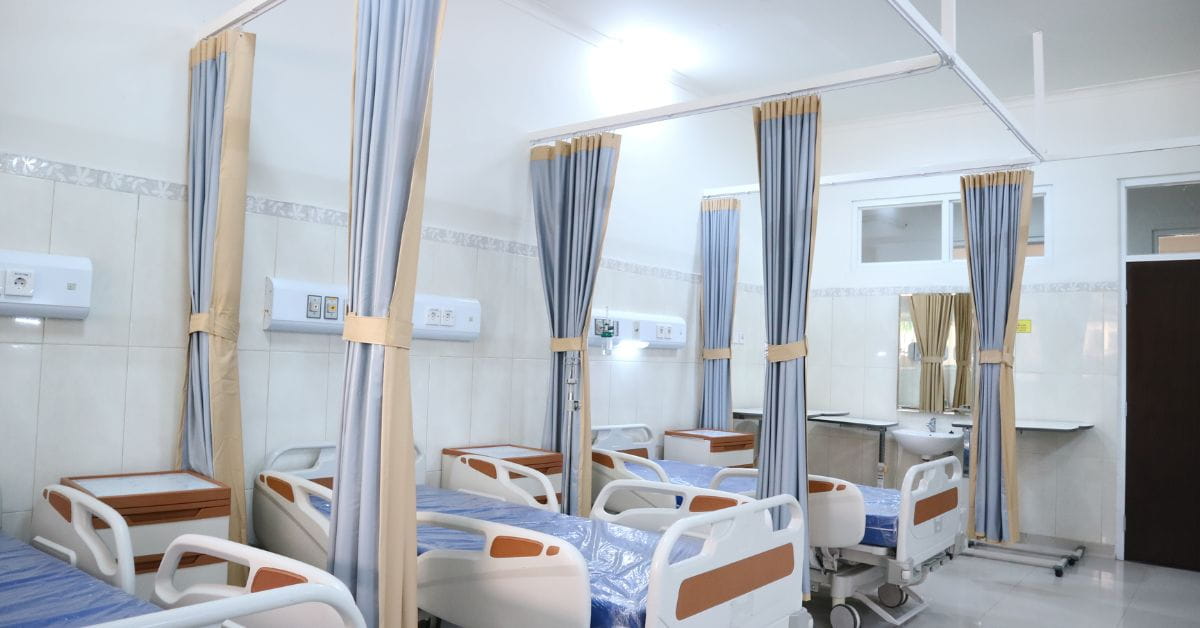
Multi-speciality hospitals have several departments and facilities, such as diagnostic tests, emergency care, operation theatres, intensive care, physiotherapy, and rehabilitation, all in one place.
Which Patients Benefit Most From a Multi-Speciality Hospital?
Patients with multiple health problems –Those who need treatment from more than one specialist.
Patients with complex conditions – Those who may need care from different medical departments.
Patients needing surgery – Those who need surgery along with other medical support.
Patients needing regular follow-up –Those who need repeated check-ups, tests, or physiotherapy.
Patients with emergencies –Those who may need quick care from different specialists.
Things to Check Before Choosing a Multi-Speciality Hospital
Here are the things you should consider before choosing a multi-speciality hospital.
- Doctors and Specialists
- Medical Departments
- 24/7 Emergency Care
- Diagnostic Tests
- Surgery and ICU
- Nursing Staff
- Cleanliness
- Location
- Treatment Cost
- Insurance / Cashless Care
- NABH Accreditation
- Follow-Up Care
Faqs
What Is a Multi-Speciality Hospital?
A multi-speciality hospital has doctors from different medical fields under one roof.
Why Choose a Multi-Speciality Hospital?
A multi-speciality hospital provides different tests and treatments in one place.
Does Shanti Nursing Home use advanced treatment facilities?
Yes, Shanti Nursing Home uses advanced and specialized treatment facilities for patient care.
What types of specialists are available at Shanti Nursing Home?
Shanti Nursing Home has specialists in cardiology, neurosurgery, orthopaedics, pulmonology, gastroenterology, paediatrics, urology, general surgery, gynaecology, ENT, oncology, dermatology, and emergency and critical care.
Are multispecialty hospitals really helpful?
Yes, multispecialty hospitals are helpful because they provide different specialist doctors and treatments under one roof.
Do multi-speciality hospitals provide ambulance and trauma care?
Yes, many multi-speciality hospitals provide ambulance services and emergency trauma care.
When should I choose a multi-speciality hospital?
Choose a multi-speciality hospital when you need different specialists, advanced treatment, or emergency care.
At The End
Understanding the benefits of multispeciality hospitals can help you choose the right hospital when you need care from different specialists or departments. Having consultations, tests, treatment, emergency care, and follow-up services in one place can make the treatment process easier.
Shanti Nursing Home is one of the multi-speciality hospitals in Siliguri, offering advanced technology, experienced doctors, and a range of treatment facilities under one roof.
