


Strengthening the immune system, repairing tissues damaged by treatments like chemotherapy, and reducing inflammation are ways in which diet plays a critical role in cancer recovery.
A nutrient-rich, plant-based diet helps maintain muscle mass, reduces treatment toxicity, and improves overall energy, accelerating rehabilitation.
Characterized by the uncontrolled growth and spread of abnormal cells, Cancer is a large group of diseases.
Treatment options include surgery, chemotherapy, and radiation.
Thanks to the evolution of this city, now Cancer treatment in Siliguri is available with the help of several hospitals and nursing homes.
Some of the common types of cancer include breast, lung, prostate, and colorectal cancer.
Before discussing anything, let’s talk about
What are the different categories and types of Cancer?
Generally classified by the type of cell or organ where they originate, there are over 200 types of cancer.
The five main categories are carcinomas, sarcomas, leukemias, lymphomas, and melanomas. The most common cancers include lung, breast, prostate, and colorectal cancer.
Major Categories of Cancer
1. Sarcoma:
Sarcoma is a rare and diverse group of cancers that originate in the body's connective tissues, including bone, cartilage, muscle, fat, and blood vessels.
Sarcomas develop in the supportive structures of the body, unlike carcinomas, which start in the linings of
2. Carcinoma:
Arising from skin or tissues that line or cover internal organs, e.g., adenocarcinoma, basal cell carcinoma; this is one of the most common types of cancer.
organs.
3. Lymphoma:
A cancer that begins in the lymphatic system, the body’s disease-fighting network of tissues and organs, is called Lymphoma.
4. Melanoma:
Originating in the melanocytes, or the cells responsible for producing melanin, the pigment that gives the skin its color, Melanoma is the most dangerous form of skin cancer.
While it causes the vast majority of skin cancer deaths because it is much more likely to spread to other organs if not treated early, it accounts for only about 1% of skin cancer cases.
Some Common Cancer Types
1. Breast Cancer:
When abnormal cells in the breasts grow out of control, typically starting in the milk ducts or the milk-producing glands, or lobules, it is called breast cancer.
It is the most common cancer diagnosed in women globally. While it is primarily a female disease, about 0.5 to 1% of cases occur in men.
It is a highly prevalent form of breast cancer, originating in breast tissue.
2. Blood Cancers:
Blood cancers, or hematologic cancers, originate in the body's blood-forming tissues—primarily the bone marrow and the lymphatic system.
These cancers occur when DNA mutations cause the uncontrolled growth of abnormal blood cells, which then crowd out healthy red cells, white cells, and platelets, unlike solid tumors.
Like Leukemia, lymphoma, and myeloma.
3. Lung Cancer:
Lung cancer begins when abnormal cells in the lungs divide uncontrollably, often forming tumors that interfere with breathing and can spread to other organs.
While heavily associated with smoking, up to 20% of diagnoses in 2026 occur in people who have never smoked.
4. Prostate Cancer:
The prostate gland, a walnut-sized organ below the bladder that produces fluid for semen, is where this cancer starts.
5. Colorectal Cancer:
Colorectal cancer, or CRC, often begins as small, non-cancerous growths called polyps, and starts in the colon or rectum.
6. Skin Cancer:
Occurring when skin cells grow uncontrollably, typically due to ultraviolet (UV) radiation damage from the sun or tanning beds. Skin cancer is considered the most common cancer globally.
Let’s discuss,
What are the causes of Cancer?
The causes of Cancer usually come under the everyday things that we do. While these factors increase risk, it's important to remember they don't guarantee someone will get the disease.
These are further divided into 3 categories, which are listed below.
1. Everyday Lifestyle Patterns: Things We Do
These are habits that can damage your cells' DNA over time. As practiced every day, these can destroy the cells, forming cancer cells in the body.
- Regular Smoking or Vaping: The biggest avoidable cause of cancer is regular smoking and vaping. Tobacco smoke contains over 60 chemicals that directly cause cancer. So people who smoke and vape are more prone to developing cancer.
- What You Eat Every Day: Regularly eating high amounts of processed meats, like bacon or deli meats, and red meats can increase risk. Therefore, having a healthy diet is often advised. Having the right amount of nutrients, provided by a balanced diet, helps kill the cancer cells in the body.
- Drinking Alcohol Regularly: Apart from causing liver issues, drinking alcohol regularly can also cause cancer. It destroys certain cells in your body, forming cancer cells inside the body.
- Not Enough Movement:Being physically inactive can lead to obesity, which is now a leading cause of many different cancers. So moving regularly or involving regular movement in your everyday routine is advised.
2. Environmental Factors: Things We Are Exposed To
You might think that there are only certain things that you do that affect your body and cause cancer. But there are external factors also that can attack healthy cells, which can weaken the body.
- Exposure to Sunlight: Too much UV radiation from the sun or tanning beds causes skin cell damage. Exposing your skin to too much sun should be avoided.
- Exposure to Radon Gas: An invisible, odorless gas that can naturally build up in homes and is a leading cause of lung cancer in non-smokers. These also weaken the healthy cells of the body.
- Some Common Infections: Some viruses can lead to cancer if they aren't treated or prevented by vaccines, like HPV, which can cause cervical cancer, or Hepatitis.
3. Biological Factors: Things We Can't Control
Beyond all, sometimes cancer is simply a result of factors we are born with or natural processes,
- Family History: About 5 to 10% of cancers are caused by genes passed down from parents; this is sometimes something you inherit from your family.
- Getting Older: This is the biggest risk factor because the longer we live, the more time our cells have to develop mistakes in their DNA. Therefore, becoming old can be a cause of cancer.
Coming to the main question,
How does diet affect cancer recovery?
By providing the building blocks your body needs to heal, maintain strength, and tolerate treatment side effects, diet plays a critical role in cancer recovery.
Because your body’s demand for energy and repair materials increases significantly, proper nutrients after a diagnosis often look different from a standard healthy diet.
Some Core Benefits of Diet in Recovery
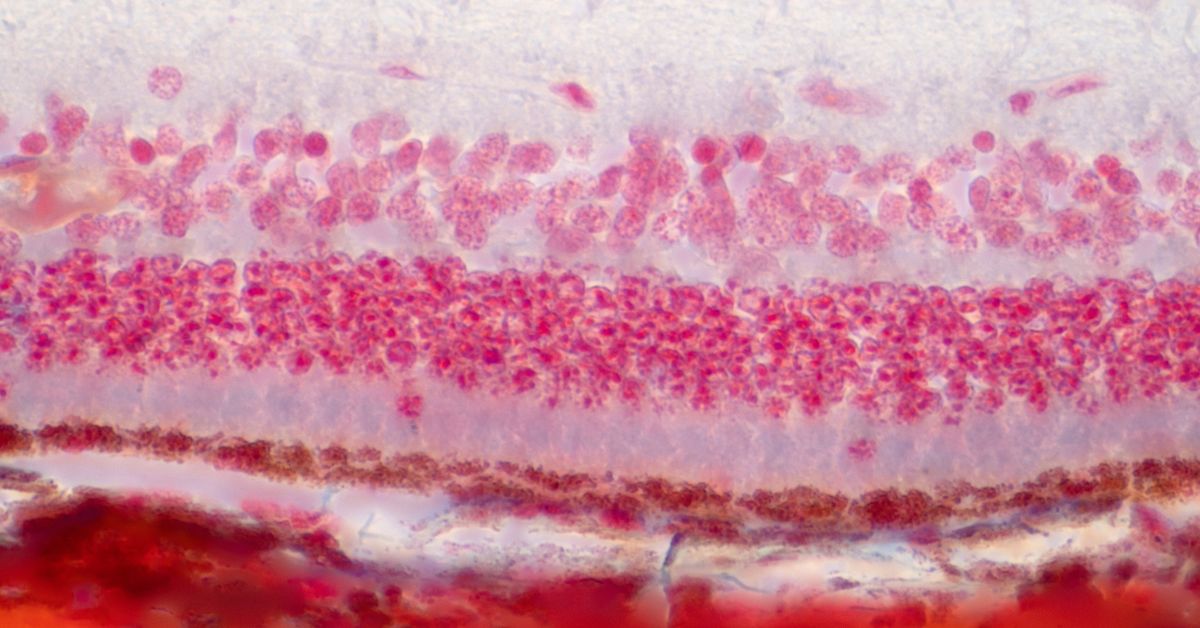
1. Healing and Repair of Tissue:
Nutrients like protein, vitamin C, and zinc are essential for repairing tissues damaged by surgery, chemotherapy, or radiation.
Protein is called the structural builder, and helps rebuild white blood cell counts that are often depleted by chemotherapy or radiation.
Vitamin C is the collagen catalyst and helps in protecting healthy cells from oxidative stress, or cellular damage caused by radiation and certain chemotherapy drugs.
Zinc is the general of cell division, which helps in keeping Infection Control. Chemotherapy often leaves patients immunocompromised. Zinc strengthens the mucosal linings, like the mouth and gut, to prevent secondary infections.
2. Managing Treatment Side Effects:
Because it ensures you can complete your full treatment plan without life-threatening delays or dosage reductions, managing treatment side effects through diet is a cornerstone of recovery.
By using specific foods to soothe the body, you prevent a spiral of side effects that can otherwise lead to severe malnutrition and exhaustion.
Specific foods can help alleviate common issues like nausea, constipation, or fatigue.
It helps in ensuring treatment by preventing malnutrition and has a direct impact on stamina and healing.
3. Immune System Support:
A well-balanced diet acts as a vital support system for the immune system, which is often severely compromised by treatments like chemotherapy and radiation.
By strengthening your natural defences, nutrition directly influences several key aspects of cancer recovery. A well-balanced diet helps your immune system, making your body better at fighting off potential infections during and after treatment.
It helps the body by enhancing tolerance, treatment, and efficiency, preventing secondary infections, strengthening the gut immune system, and reducing long-term survival and recurrence risk.
4. Maintaining Muscle Mass:
Maintaining muscle mass helps in cancer recovery by reducing treatment toxicity, combating cancer cachexia, powering the immune system, directly impacting cancer survival rates, and enhancing quality of life.
Cancer can cause the body to break down muscle faster than usual. High protein intake helps preserve lean muscle, which is vital for maintaining your strength and mobility. So maintaining a healthy body muscle mass is important for fighting cancer.
The final question for this blog will be,
What are the foods to avoid during cancer treatment?
Foods to avoid include
- Raw and undercooked foods
- Seafood
- Eggs
- Unpasteurized dairy and juices
- Unwashed fruits and vegetables,
to prevent infection.
High-risk foods also include processed meats, high-sugar items, alcohol, and deep-fried foods, which can cause inflammation and reduce immune function.
Final Thoughts
Strengthening the immune system, repairing tissues damaged by treatments like chemotherapy, and reducing inflammation are ways in which diet plays a critical role in cancer recovery.
A nutrient-rich, plant-based diet helps maintain muscle mass, reduces treatment toxicity, and improves overall energy, accelerating rehabilitation.
Cancer can sometimes be reduced with the help of a proper diet. The benefits of which are listed above.
It is a disease that occurs when one cell of the body gets damaged, and the rest of the cells follow it.
Some common types of cancer include breast, prostate, colorectal, skin, blood, and lung cancer.
With time, cancer treatments in Siliguri have improved and evolved. This city now has many hospitals, healthcare centres, and nursing homes that specialize in curing cancer.
Once such leading healthcare centers in Siliguri is Shanti Nursing Home.
They are committed to providing the highest standard of medical care, which matches the global parameters with an extreme understanding of patient needs.
They also offer treatments like plastic surgery, orthopedics, cardiology, pulmonology, urology, and many more.
You can consult an oncologist at Shanti Nursing Home for treating the early signs of cancer.

