




Have you found yourself asking people to repeat what they said more often than before? Have you found yourself turning up the TV volume more than you used to? Maybe you notice conversations feel muffled, especially in crowded rooms. These everyday struggles can be frustrating and are often signs that it might be time to consider a hearing aid. The first step is understanding your own hearing needs, and consulting an ENT Doctor in Siliguri can give you the clarity and guidance you need to make the right choice. With the right support, you can regain confidence in conversations and enjoy sounds the way you used to.
Understanding Your Hearing Needs
Before we look at the different types of hearing aids, it’s important to understand your own hearing profile. Most adults experiencing hearing loss will have their hearing loss gradually tested by an audiologist. Understanding the degree and type of hearing loss is the first step to selecting a device that actually works for you.
Think about your daily life, are you in noisy environments often? Do you struggle to hear conversations at home? These lifestyle factors are crucial in choosing a hearing aid that truly helps you hear better
Types of Hearing Aids
Hearing aids are available in a variety of shapes and sizes., each with its own benefits and limitations. Here’s a breakdown of the most common types:
1. Behind-the-Ear (BTE) Hearing Aids
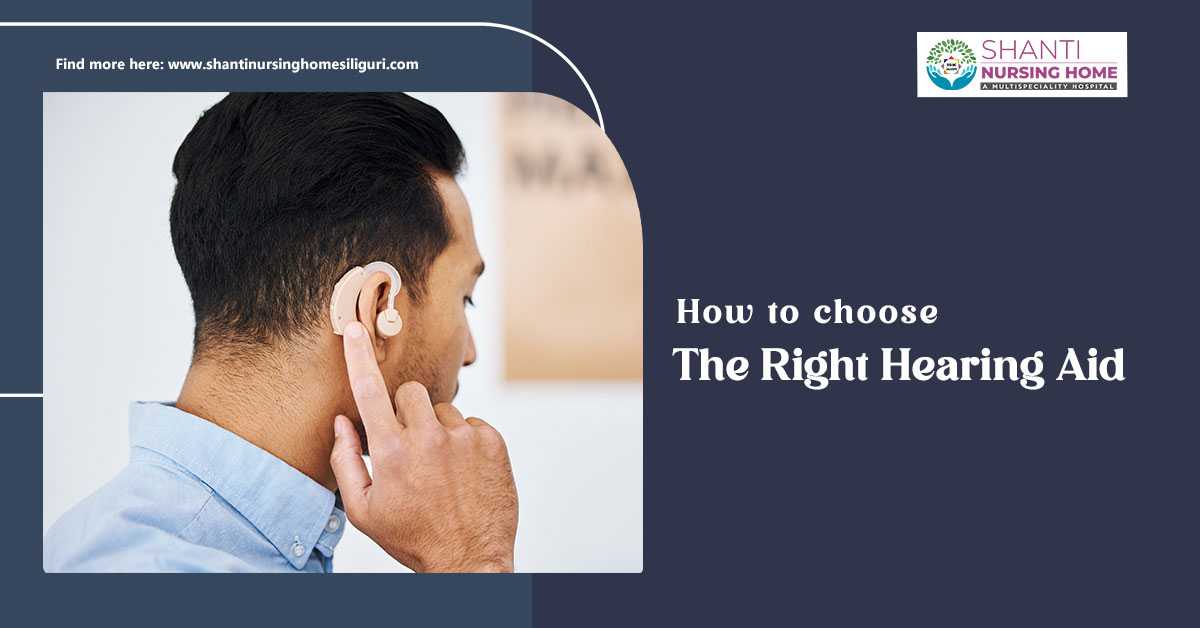
BTE hearing aids sit behind the ear. The ear has a small earpiece that sits inside the ear canal. They are generally larger than other models, which allows them to provide strong amplification. This makes them suitable for people with mild to severe hearing loss. BTE devices are designed to be long-lasting and can be comfortably used by anyone, regardless of age. Many users find them comfortable once they get used to the slightly larger size.
2. In-the-Ear (ITE) Hearing Aids
ITE hearing aids fit directly into the outer part of the ear, making them smaller and less noticeable than BTE aids. They are easier to handle than tiny devices and are ideal for individuals with mild to severe hearing loss. ITE aids provide a balance between power and discretion and are generally comfortable for daily use. Regular cleaning helps maintain their performance over time.
3. Completely-in-Canal (CIC) and Invisible-in-Canal (IIC) Hearing Aids
CIC and IIC hearing aids are very small and fit deep inside the ear canal, making them almost invisible when worn. They are a popular choice for people who want a discreet hearing solution. These devices are comfortable for many users and can feel natural once in place. Because of their small size, they may require more careful handling and have shorter battery life compared to larger models.
Choosing the Right Type
Selecting the right hearing aid depends on your hearing needs, lifestyle, comfort, and personal preferences. Some people prioritize sound quality and amplification, while others may focus on ease of use or discretion. Understanding how you live, the environments you spend time in, and your daily activities will help you choose a hearing aid that works best for you.
When to See a Healthcare Provider?
It’s easy to ignore hearing loss, especially when it develops slowly. But there are times when seeing a healthcare provider is not just a good idea, it’s necessary.
If you notice any of the following, it’s time to get checked:
-
You frequently ask people to repeat themselves.
-
The TV or radio volume is higher than usual for everyone else.
-
Conversations in restaurants or crowded places feel impossible to follow.
-
You feel isolated or frustrated because of hearing difficulties.
A healthcare professional, like an audiologist, can perform a hearing test and determine the type and severity of your hearing loss. They will also advise you on whether a hearing aid is appropriate and which features will benefit you the most.
Visiting a professional early can prevent further frustration and improve your quality of life. Hearing loss left unaddressed can sometimes lead to issues like fatigue, stress, and even social isolation.
Key Factors to Consider
Choosing a hearing aid is not just about the device itself, it’s about how well it fits into your life. Here’s what to keep in mind:
.png)
1. Sound Quality
Sound quality is one of the most important factors when choosing a hearing aid. Different devices handle background noise, speech clarity, and specific frequencies in various ways. Some hearing aids focus on amplifying soft sounds, while others are better at reducing interference in noisy environments. Choosing a device that provides clear and comfortable sound for your daily activities ensures a better listening experience and reduces frustration.
2. Comfort and Fit
Comfort is essential since you will be wearing your hearing aid for many hours a day. A properly fitting device should feel secure without causing pain or irritation. Different styles suit different ear shapes and personal preferences. A comfortable hearing aid encourages consistent use, which is key to improving your hearing over time.
3. Battery Life and Maintenance
Battery life and maintenance play a big role in daily convenience. Some hearing aids use disposable batteries that need regular replacement, while others are rechargeable. Understanding the battery requirements and how easy it is to maintain your device can prevent unnecessary frustration. Regular cleaning and occasional professional checkups help keep your hearing aid working efficiently and extend its lifespan
4. Connectivity and Features
Modern hearing aids often come with additional features like Bluetooth connectivity, directional microphones, noise reduction, and smartphone compatibility. These features can make it easier to connect to TVs, phones, and other devices or improve hearing in specific environments. Considering which features suit your lifestyle can make a noticeable difference in everyday use.
(1).png)
5. Lifestyle and Environment
Your lifestyle and the environments you spend time in are crucial in choosing a hearing aid. People who are frequently in noisy or social settings may need different devices or features than those who spend most of their time in quiet spaces. Thinking about daily activities, work environments, and social interactions helps ensure you pick a device that works effectively in all situations.
6. Personal Priorities
Finally, consider your personal priorities, such as appearance, ease of use, or advanced technology. Some people value a discreet design, while others focus on simplicity and user-friendliness. Understanding what matters most to you helps narrow down options and ensures you choose a hearing aid that fits seamlessly into your life.
Final Thoughts
Choosing the right hearing aid is about more than just the device; it’s about improving communication and staying connected. Start by understanding your needs, exploring the options, and consulting an ENT Doctor in Siliguri. Try different devices, consider comfort and lifestyle, and don’t hesitate to ask questions. For expert guidance and personalized care, visit Shanti Nursing Home to find the hearing aid that fits you best.

