



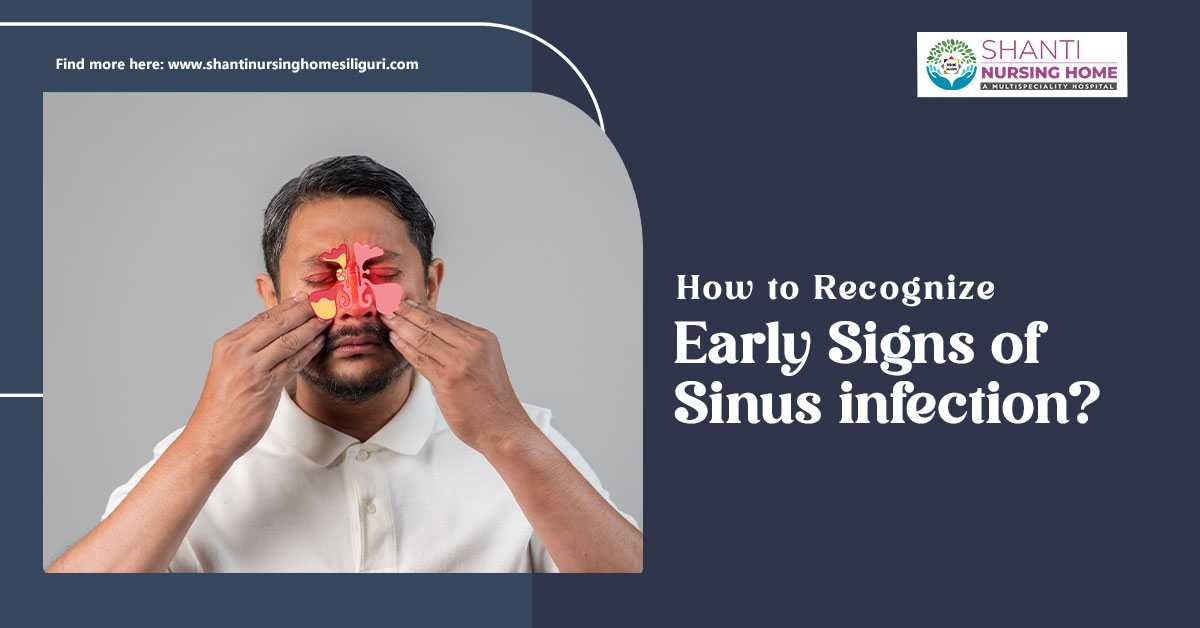

Sinus infection (known as sinusitis) is a major health problem. Many people face this issue; around 10 in 7 adults experience sinus infections. It might seem like a common cold, persistent congestion, thick mucus, and facial pressure could actually be signs of sinusitis. If symptoms persist, consulting an ENT doctor in Siliguri can help identify the cause and provide the appropriate treatment before the problem worsens.
Understand about Sinus and its different types?
Inside your face, there are small hollow spaces called sinuses, found behind your cheeks, forehead, between your eyes, and around your nose. They help keep your nose moist, catch dust and germs, and even make your voice sound a bit clearer. Usually, air and mucus move through them easily, but if the lining swells, the passages can get blocked. This causes mucus to build up, creates pressure, and makes your face feel uncomfortable. Swelling like this can happen due to infections, allergies, or even problems with the structure of your nose.
Different Types of Sinusitis
Sinusitis can affect people in different ways. For some, it’s short-term, while for others it can last longer or keep returning. Here are the main types:
1. Acute Sinusitis
Acute sinusitis is the most common type and usually develops after a cold or viral infection. It lasts up to four weeks, with symptoms appearing suddenly, including facial pressure, thick mucus, and a blocked nose.
2. Subacute Sinusitis
Subacute sinusitis lasts between four and twelve weeks. It isn’t as brief as acute sinusitis but doesn’t stretch long enough to be considered chronic. The symptoms persist for several weeks and often require proper care to prevent complications.
3. Chronic Sinusitis
Chronic sinusitis occurs when the swelling in the sinuses lasts for 12 weeks or more. It isn’t always caused by an infection; allergies, nasal polyps, or ongoing irritation can also trigger this type.
4. Recurrent Sinusitis
Recurrent sinusitis happens when you recover from one infection but experience multiple sinus infections within a year. It involves repeated episodes rather than a single, long-lasting problem.
How Do You Know If You Have Sinusitis, a Cold, or an Allergy?
These three conditions often confuse people because they can look similar.
Here’s an easy way to understand the difference:
1.Cold
A cold usually comes on gradually and tends to run its course within a week. In the beginning, you may notice your nose becoming runny or watery, followed by a mild cough and, in some cases, a slight fever. Your body might feel a bit achy or tired, but these symptoms are generally manageable. Most people start feeling better simply by resting, staying hydrated, and giving their body time to recover.
2. Allergy
Allergies usually show up when your body reacts to things like dust, pollen, pets, or sudden weather changes. You may start sneezing a lot, notice itchy or watery eyes, and have a clear, runny nose. Unlike sinusitis, allergies don’t normally cause facial pain or that heavy pressure around your cheeks or forehead. The symptoms often appear and disappear depending on what you’re exposed to. So if your discomfort starts right after coming in contact with a trigger and goes away once you avoid it, it’s most likely an allergic reaction.
3. Sinusitis
Sinusitis often feels more intense and long-lasting compared to a cold or an allergy. The mucus thickens and often turns yellow or green, making your nose feel clogged for several days. Many people describe a heavy or tight feeling in their face, especially around the nose, cheeks, forehead, or even behind the eyes. This pressure can make simple things like bending down or moving your head feel uncomfortable. Along with this, the mucus may drip down the back of your throat, causing irritation or a constant urge to clear your throat. Your sense of smell and taste may also become dull. These symptoms usually stay longer and feel deeper than what you experience during an ordinary cold, which is why sinusitis is often easier to identify once the discomfort doesn’t fade after several days.
Symptoms and Causes
1. Common Symptoms
Sinusitis can bring several symptoms at the same time. Some of the most common are:
-
Stuffy or blocked nose
-
Thick, colored mucus
-
Facial pressure or pain
-
Pain in the teeth or around the eyes
-
Reduced sense of smell
-
Headache
-
Post-nasal drip
-
Cough (especially worse at night)
-
Tiredness
-
Bad breath
-
Mild fever in some cases
Some people feel tightness in the forehead, while others feel more pain in the cheeks. Each person’s symptoms can be slightly different.
Causes of Sinusitis
Many things can trigger sinusitis. These include:

1. Viral Infections
A simple cold can irritate the sinus lining and cause swelling.
.png)
2. Bacterial Infections
If mucus stays trapped for too long, bacteria may grow and cause infection.
.png)
3. Allergies
Dust and pollen can inflame the nasal lining and block natural drainage.
.png)
4. Fungal Issues
Less common, but it can happen in people with reduced immunity.
5. Structural Problems
A crooked nasal wall, narrow sinus passages, or small growths inside the nose can make it hard for air to flow properly.
6. Irritants
Smoke, pollution, harsh weather, or dry air can irritate the sinuses.
In many cases, more than one factor can contribute at the same time.
What Are the Risk Factors for Sinusitis?
Some people get sinusitis more easily because of certain conditions or habits. Risk increases if you have:
-
Frequent colds
-
Seasonal or dust allergies
-
Asthma
-
Nasal polyps
-
Deviated septum
-
Weakened immune system
-
Habit of smoking or exposure to smoke
-
Staying in polluted, dusty, or dry environments
-
Sudden temperature changes (moving from hot to cold too quickly)
Children may also get sinusitis if they spend time in crowded places, attend daycare, or experience constant colds.
Diagnosis and Tests
Sinusitis is usually diagnosed after checking symptoms and examining the nose. A doctor may do the following:
1. Symptom Review
You may be asked questions such as:
-
How long have you been congested?
-
Is your mucus thick or colored?
-
Do you feel pressure in your face?
-
Do you have allergies?
2. Physical Exam
The inside of your nose may be checked for:
-
Swelling
-
Polyps
-
Mucus buildup
-
Blocked passages
Sometimes a small lighted tool is used to see deeper inside.
3. Imaging Tests (Only When Needed)
If sinusitis lasts a long time or is particularly severe, a CT scan can show which areas are blocked, where swelling is occurring, and if there are any structural problems in the sinuses.
4. Nasal Swab or Sample
This test can show whether bacteria or fungi are behind the infection.
5. Allergy Testing
If sinus infections keep coming back, allergy tests can help identify what’s causing them.
These tests help confirm the cause so the right treatment plan can be made.
Final Words
Sinusitis is quite common, but it can be uncomfortable if you’re not sure what’s causing it. Knowing what sinuses are, the different types of sinusitis, how to tell it apart from a cold or allergies, and what can increase your risk can help you take better care of yourself. If your symptoms last for several days or keep coming back, it’s a good idea to see an ENT doctor in Siliguri. For proper treatment and relief, visit Shanti Nursing Home and get the care you need

