

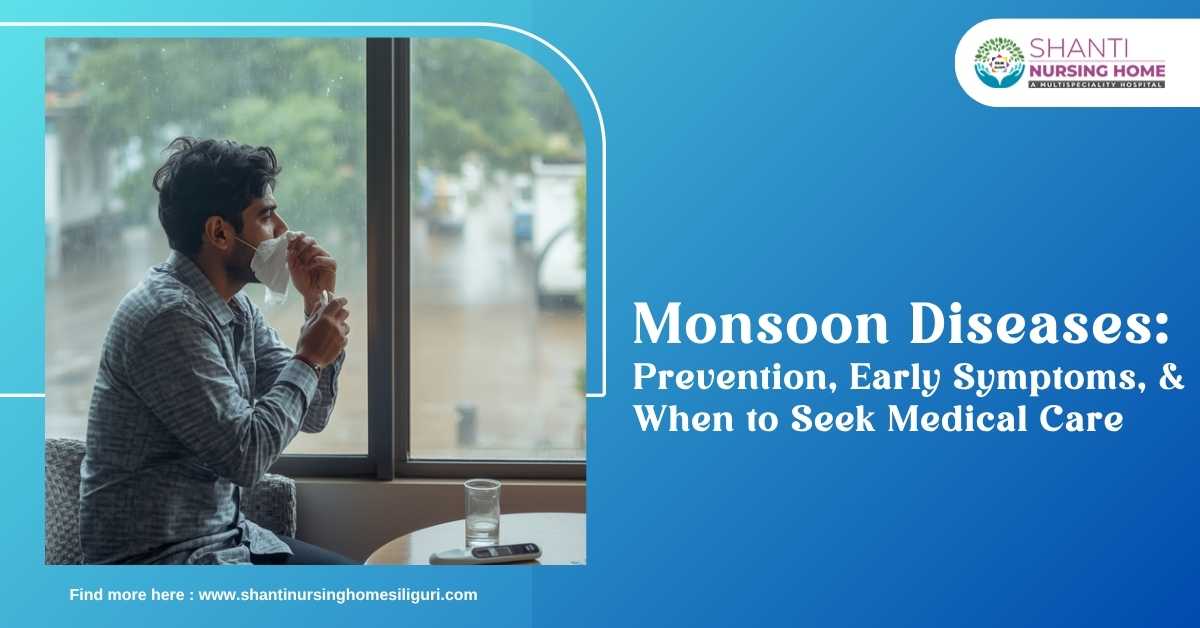
Monsoon brings cool weather, greener surroundings, and relief from the heat, but this season also increases the risk of infections.
High humidity, stagnant water, contaminated food, and mosquito breeding create conditions for disease to spread.
Knowing the common monsoon illnesses, their symptoms, and prevention methods can help to protect you and your family. If the symptoms need medical attention, choosing a reliable hospital in Siliguri can help you get timely diagnosis and proper care.
Why Do Diseases Spread More During Monsoon?
Dirty Water
It mixes with sewage and dirt, which increases the risk of infection, and water becomes unsafe.
Food Contamination
Food spoils faster in humid weather, and the risk of stomach infections is high.
Germ Growth
Moist weather helps bacteria and viruses grow and spread more easily.
Waterlogging
Collected water around homes and roads creates an unhealthy environment and attracts insects.
Poor Hygiene
Wet surroundings and poor cleanliness can increase the risk of spreading germs.
Changing Weather
Sudden changes in temperature can affect the body and make people more likely to catch infections.
More Indoor Contact
During the monsoon, staying indoors in crowds can increase the risk of spreading cough, cold, and flu.
What Are the Most Common Monsoon Diseases?
Dengue
This illness is spread when an infected mosquito bites a person. These mosquitoes normally breed and grow in stagnant water, especially during the rainy season.
Common symptoms of dengue:
- High fever that does not improve
- Severe headache
- Muscle and joint pain
- Skin rashes
- Tiredness and weakness
Early checkup and regular monitoring are important during this season. It helps to avoid complications and support proper recovery.
Malaria infection
Malaria is caused by the bite of parasite-carrying mosquitoes. Mosquito breeding increases during the monsoon, and malaria becomes more common.
Common symptoms of Malaria :
- Fever with chills
- Sweating
- Weakness
- Body pain
Getting medical attention at the right time helps in proper treatment and prevents the condition from becoming severe.
Chikungunya Virus
Chikungunya is a viral infection spread by mosquitoes that can cause discomfort for days.
Common symptoms of Chikungunya:
- Fever
- Joint pain
- Joint swelling
- Tiredness
Many people recover on their own, but some require proper medical guidance and support.
Typhoid
This happens when you consume contaminated food and water. Poor hygiene and unsafe drinking water during monsoon can increase the risk.
Common symptoms of typhoid:
- Persistent fever
- Stomach discomfort
- Weakness
- Loss of appetite
Maintaining food and water hygiene can help reduce the chances of infection.
Food Poisoning and Stomach Infections
During monsoon, contaminated food, unsafe water, and improper food storage can lead to digestive problems.
Common symptoms:
- Vomiting
- Diarrhoea
- Abdominal pain
- Dehydration
Drinking enough fluids and taking proper care is important, especially if symptoms continue.
Viral Fever and Flu
Changes in weather during monsoon can increase the spread of viral infections like flu and common fever.
Symptoms of viral fever or flu:
- Fever
- Cold
- Cough
- Body ache
This can be improved when you take proper rest, stay hydrated, and follow proper instructions.
Hepatitis A
This enters your body through water and food and affects your liver. The risk is higher during the rainy season because sanitation conditions often worsen.
Symptoms of Hepatitis A:
- Fever
- Tiredness
- Loss of appetite
- Nausea
- Yellowing of eyes or skin
Conjunctivitis (Eye Infection)
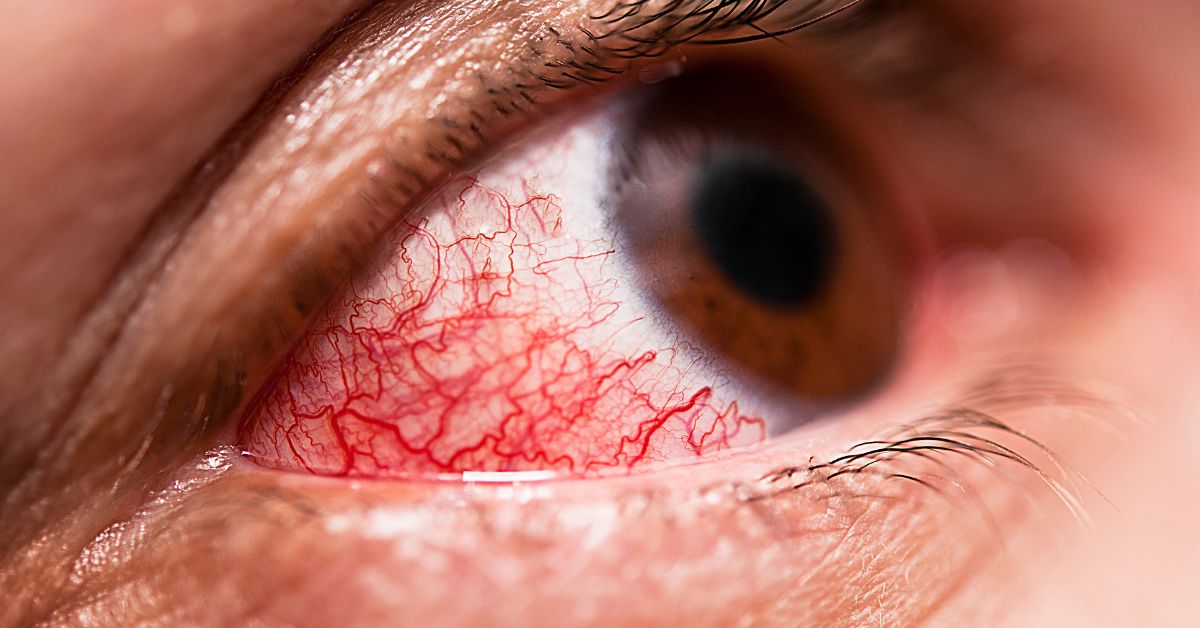
This infection spreads more during the monsoon season because of high humidity and coming into contact with dirty or contaminated surfaces.
Symptoms of Conjunctivitis:
- Red eyes
- Itching or irritation
- Watery eyes
- Eye discharge
Try to avoid touching your eyes too much and maintain proper hygiene.
Respiratory Infections
Cold weather changes and increased moisture during monsoon can make respiratory infections more common.
Common symptoms include:
- Sore throat
- Cough
- Runny nose
- Fever
- Breathing discomfort
Proper rest, hydration, and timely care can help in recovery.
Skin Infections
During the monsoon, excessive sweating and wet skin can increase the risk of fungal and bacterial skin infections.
Signs of skin infections:
- Skin itching
- Red patches
- Rashes
- Skin irritation
Keeping your skin dry and also maintaining personal hygiene can prevent you from these infections.
Jaundice
Jaundice can occur due to liver infections, often linked with contaminated food and water during monsoon.
Common symptoms include:
- Yellow eyes or skin
- Dark urine
- Weakness
- Loss of appetite
- Fever
Early medical advice helps identify the cause and manage the condition properly.
How Can You Prevent Monsoon Diseases?
Here are the different ways you can protect yourself from monsoon diseases:
- Drink purified water
- Eat fresh and hygienic food
- Wash fruits and vegetables before use
- Avoid uncovered or stale food
- Remove stagnant water around your home
- Prevent mosquito bites
- Wash your hands properly
- Maintain your personal hygiene
- Keep your home and surroundings clean
- Throw waste in covered dustbins
- Stay away from dirty or contaminated water
- Stay away from flooded places and do not walk
- Wear clean and dry clothes
- Change your wet clothes immediately
- Keep yourself hydrated
- Eat a balanced and nutritious diet
- Sleep well for 7–8 hours daily
- Stay active, which supports your immune system
- Keep your home well-ventilated
- Clean and maintain water containers regularly
- Do not share personal items like towels
- Take vaccinations as recommended
- Get medical help if your symptoms do not improve
Which People Are More at Risk During Monsoon?
Children
Children's immune systems are still developing, so they can catch infections more easily during the rainy season.
Older Adults
Among older people, their immune system is lower, and they also have other health conditions that increase the risk of monsoon-related illness and complications.
Pregnant Women
Pregnant women need extra care during the monsoon as some infections can affect both the mother and the baby.
Outdoor Workers
People who spend long hours outdoors have a higher risk of exposure to mosquitoes, contaminated water, and changing weather.
People Living in Poor Sanitation Areas
Dirty surroundings, waterlogging, and unsafe drinking water can increase the risk of infections.
Infants
Babies have still-developing immune systems, making them more vulnerable to seasonal infections.
Frequent Travellers
People who travel often during monsoon may be exposed to unsafe food, contaminated water, and crowded places.
When Should You Seek Medical Care for Monsoon Symptoms?
High Fever
If your fever is not improving for more than 3 days or is coming back frequently, then you should consult with your doctor.
Severe Body Pain
When headache, body pain, or joint pain does not improve and starts affecting your daily life, then you should take medical help.
Vomiting or Diarrhoea
Do not ignore vomiting; if this happens for a long time, it increases the risk of dehydration and requires immediate medical attention.
Breathing Problems
If you feel pain in your chest, shortness of breath, and have difficulty doing your daily tasks, then you must seek immediate medical advice; ignoring this can increase the risk of asthma and other conditions.
Skin Rashes
Do not ignore a skin rash that appears with fever or other signs of infection.
Signs of Dehydration
Dry mouth, feeling very thirsty, dizziness, or passing less urine may be signs of dehydration.
High-Risk People
Children, older adults, pregnant women, and people with existing health problems should not delay medical care if they feel unwell.
What Tests May Doctors Recommend for Monsoon Diseases?
Here are the tests that your doctors usually perform to understand your condition better:
- Complete Blood Count (CBC)
- Dengue NS1 Antigen Test
- Dengue IgM and IgG Test
- Malaria Parasite Test
- Malaria Rapid Diagnostic Test (RDT)
- Chikungunya IgM Test
- Widal Test
- Blood Culture Test
- Urine Test
- Stool Test
- Liver Function Test (LFT)
- Kidney Function Test (KFT)
- C-Reactive Protein (CRP) Test
- Viral Marker Tests
- Chest X-ray (if required)
How Can Parents Protect Children From Monsoon Diseases?
- Keep your child's hands clean
- Give safe drinking water
- Serve fresh, home-cooked food
- Protect them from mosquito bites
- Keep your home clean
- Change wet clothes quickly
- Dress them in clean, dry clothes
- Keep them away from dirty water
- Make sure they drink enough water
- Give healthy, nutritious meals
- Ensure they get enough sleep
- Wash fruits and vegetables well
- Avoid uncovered food
- Watch for early signs of illness
- Visit a doctor if they feel unwell
At The End
Simple steps like drinking clean water, keeping your surroundings clean, and protecting yourself from mosquito bites can help prevent many monsoon diseases. If you have a high fever or other symptoms that do not improve, see a doctor as soon as possible.
Shanti Nursing Home is a trusted hospital in Siliguri, providing timely care and treatment to help you and your family stay safe and healthy during the monsoon season.